Sissinghurst Castle Garden
July 7, 2026
Wandering Through England’s Most Romantic Garden
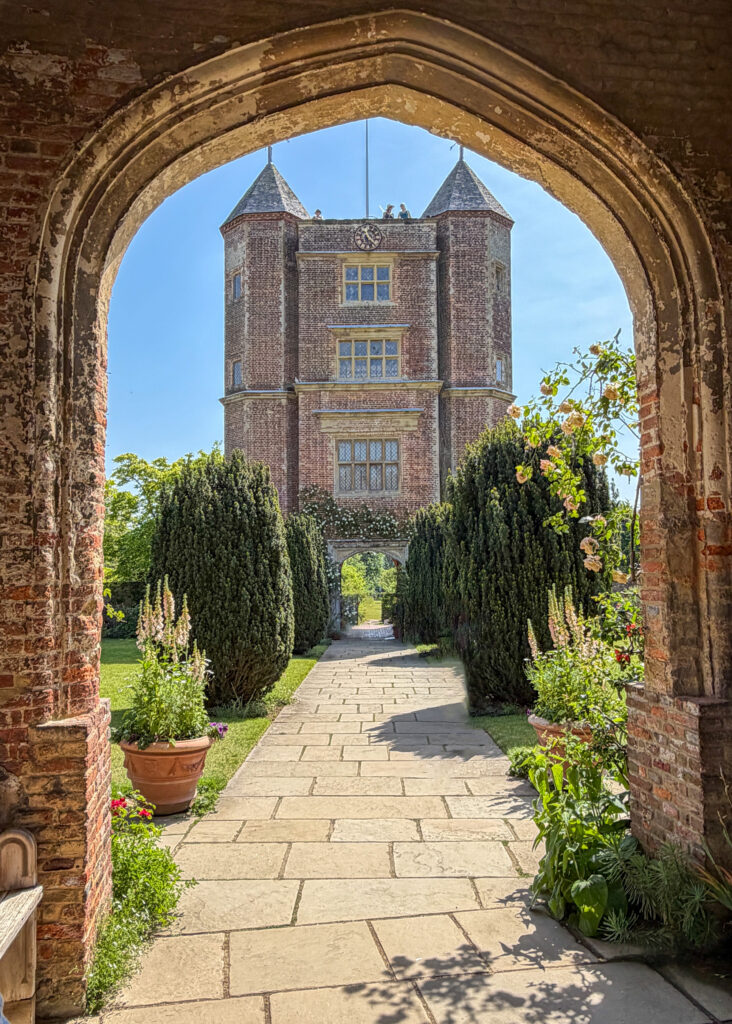
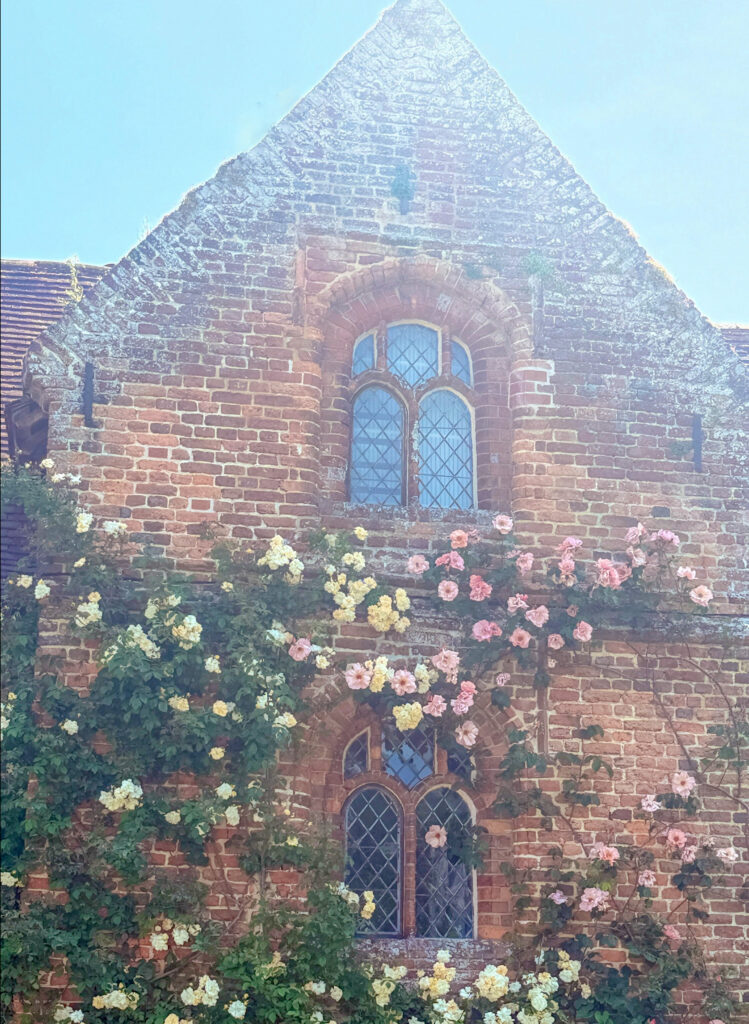
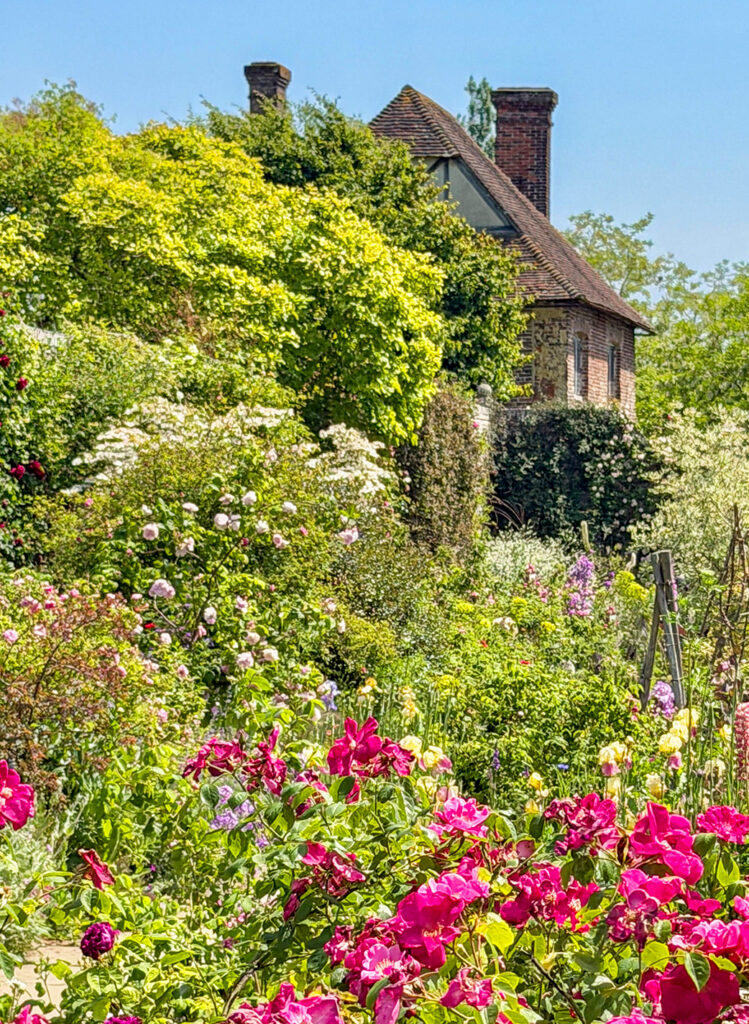
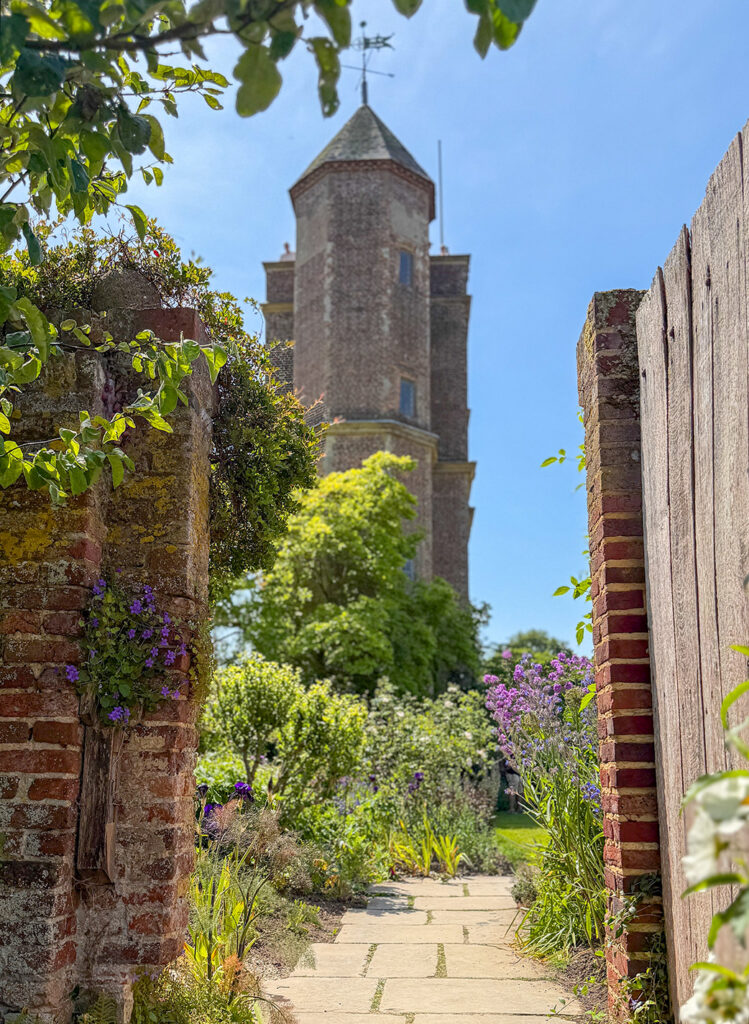
Sissinghurst Castle Garden was one of the places I had most looked forward to visiting on my Literary Gardens of England tour with Her Literary Society, and it exceeded my every expectation. Looking back on the photos, I can’t believe that I was able to tour such a gorgeous location. It looked like scenes from a magazine at every turn.
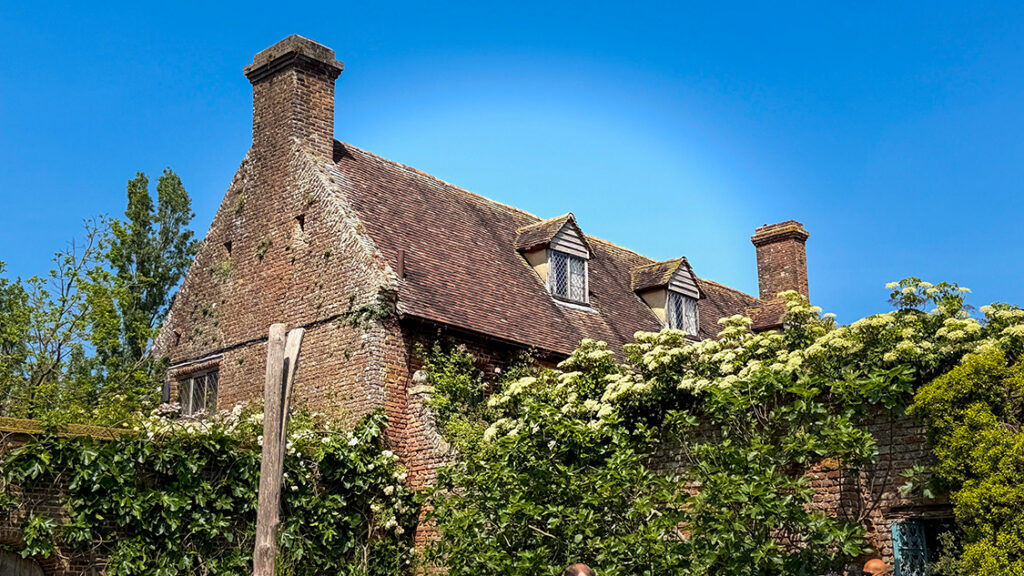
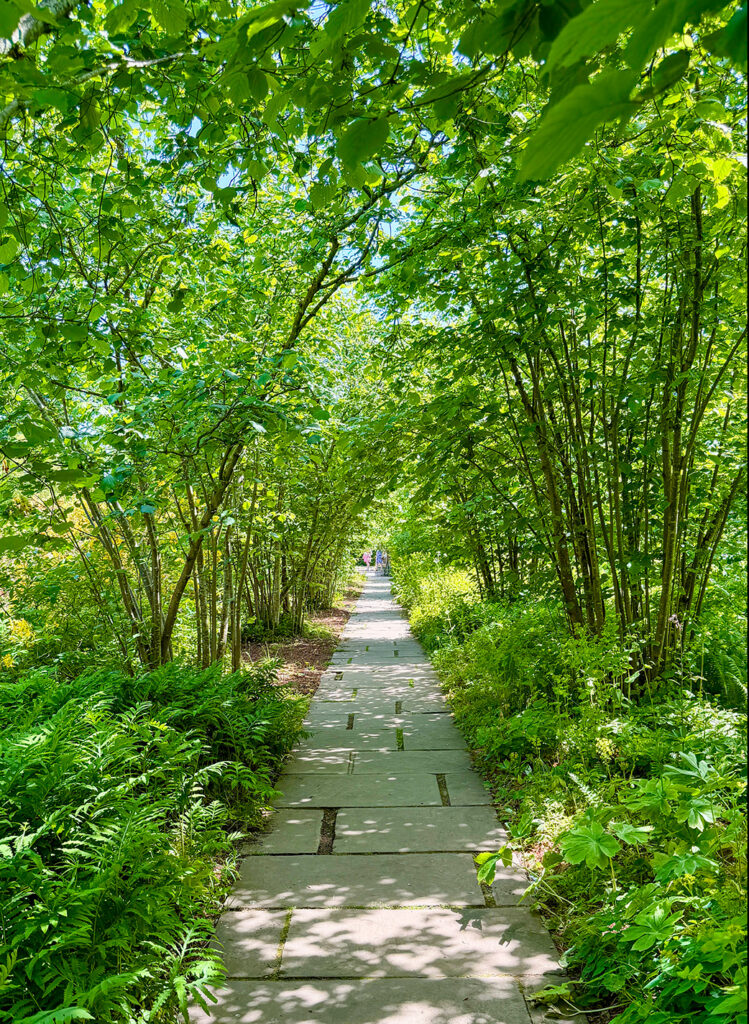

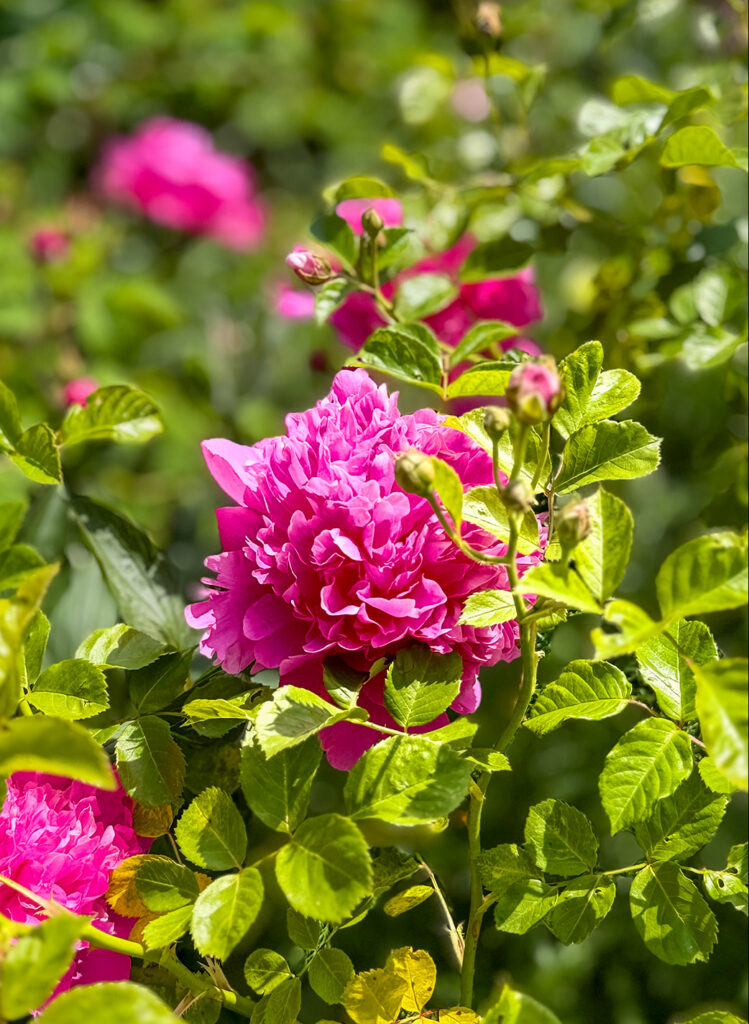

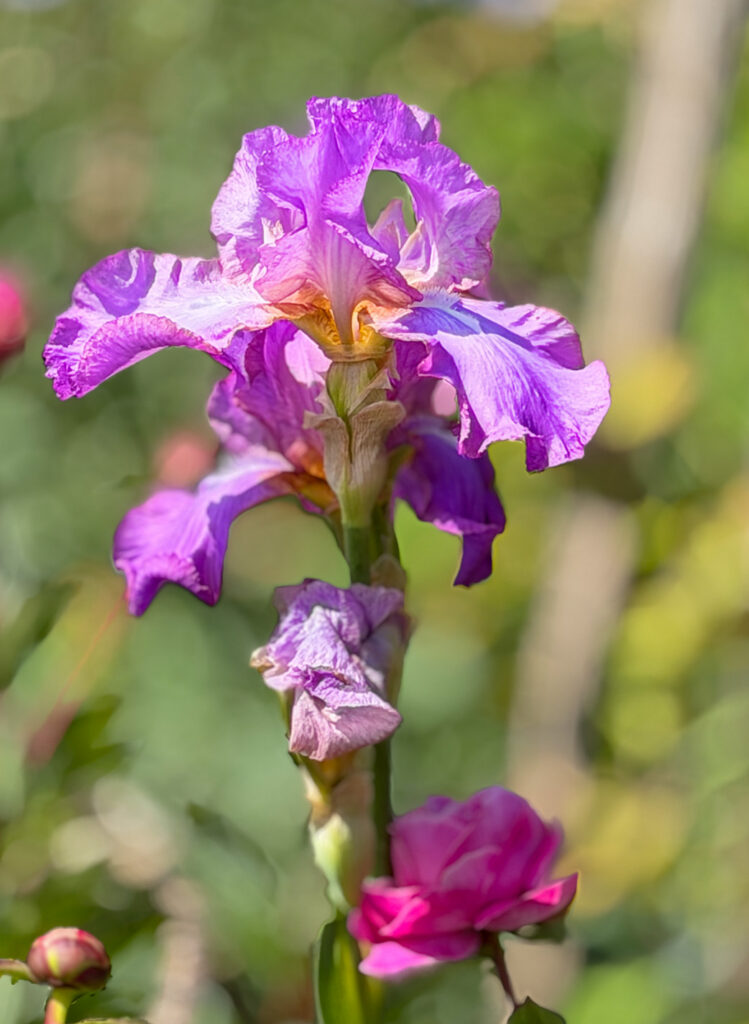
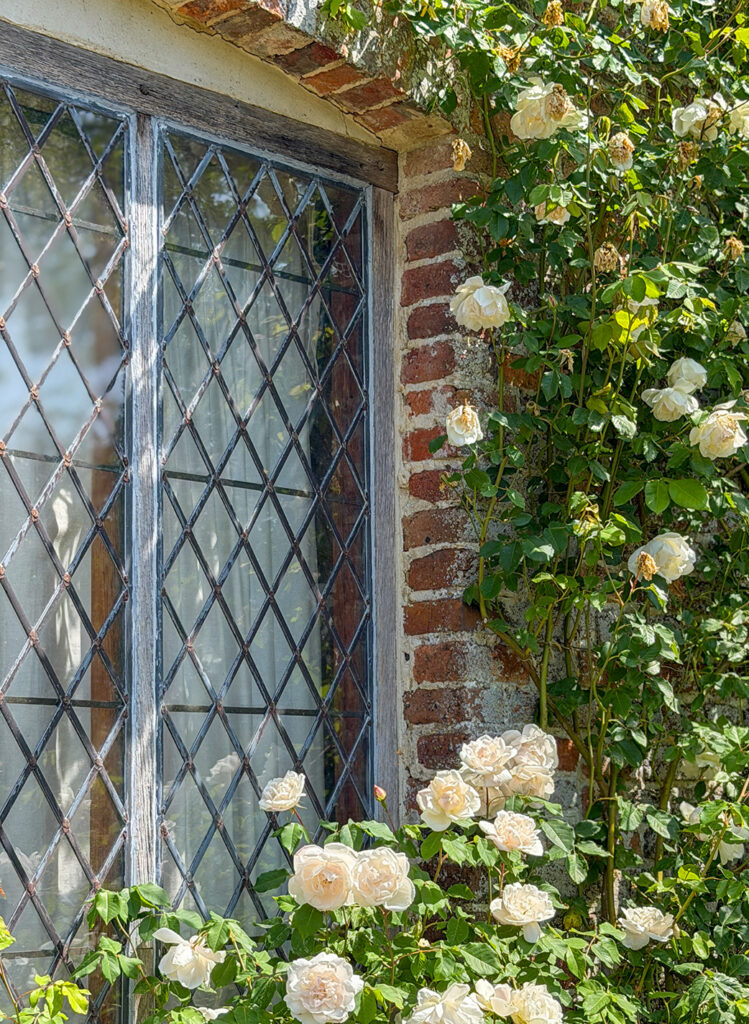
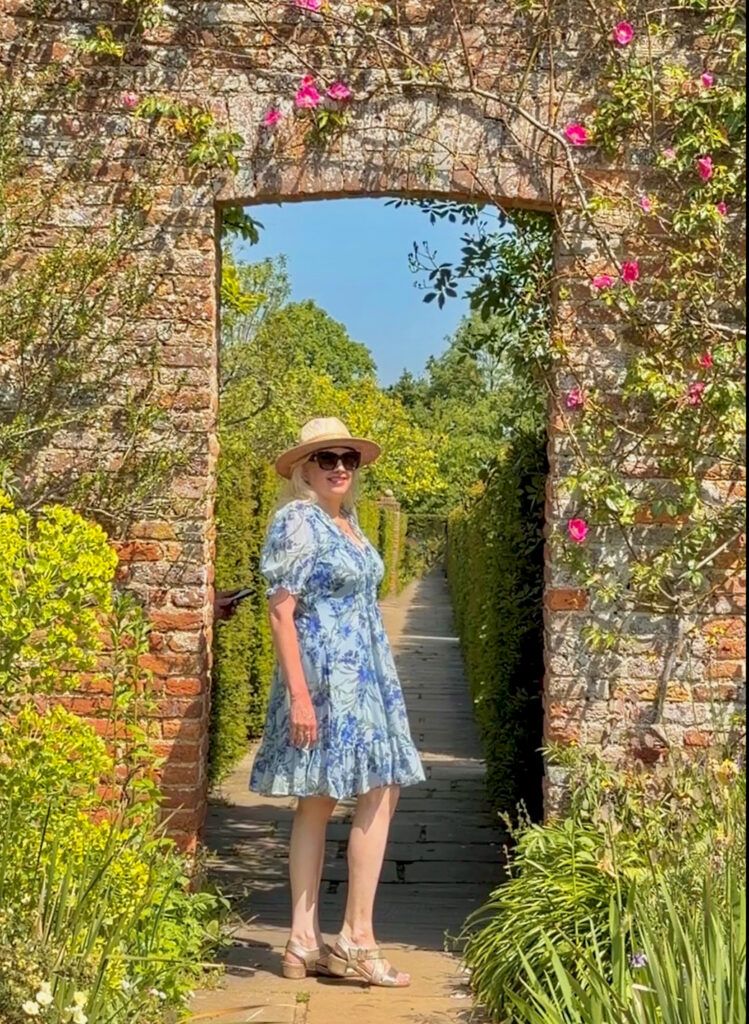
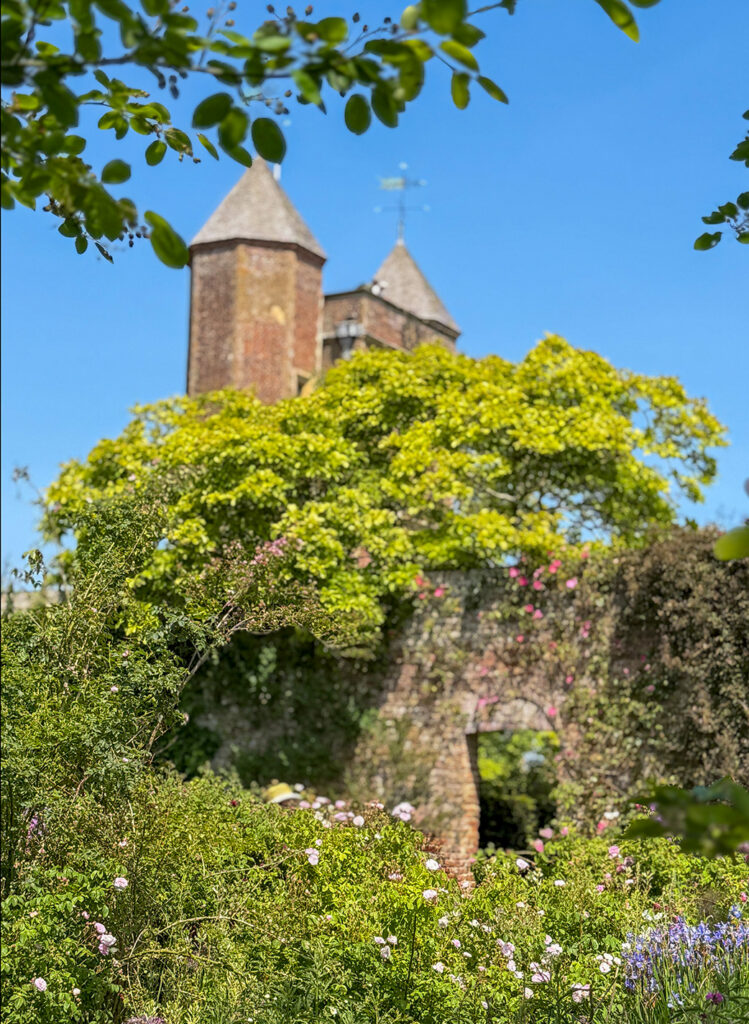
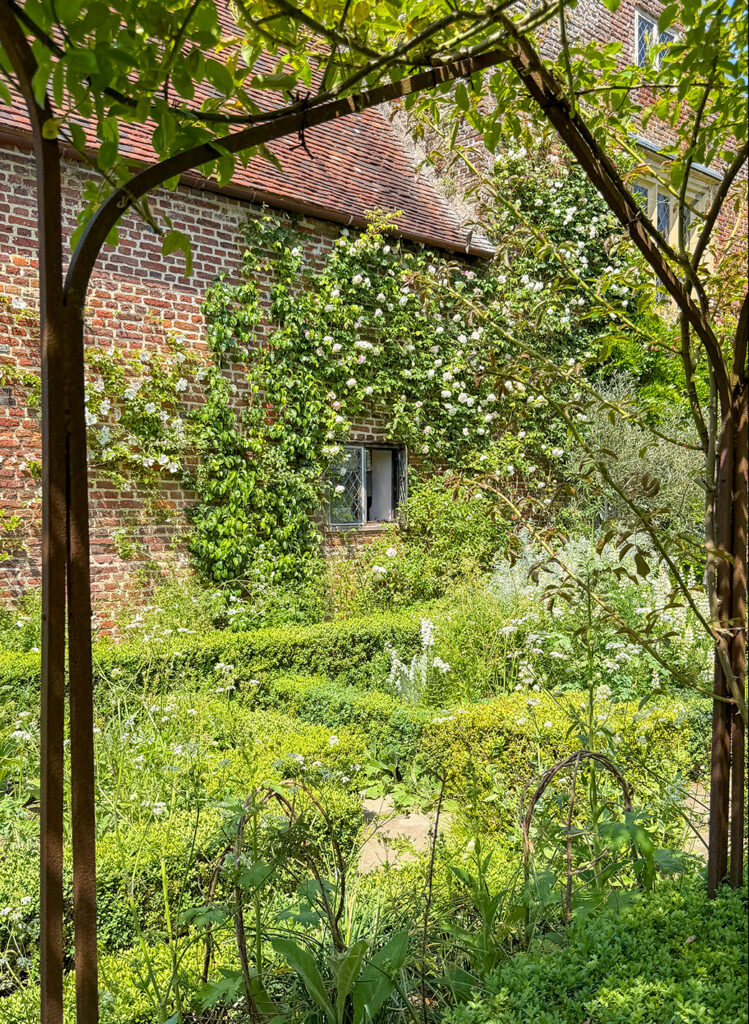
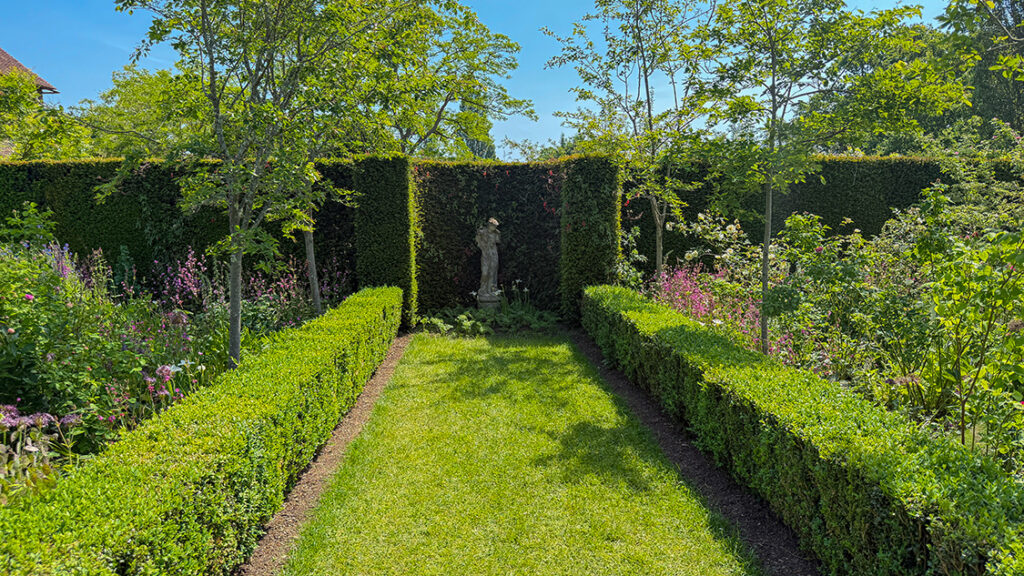
As I wandered through the grounds, it never felt like one large garden. Instead, it unfolded as a series of enchanting garden rooms, each separated by towering hedges and walls draped in climbing plants. Arched openings, seemingly carved directly into the greenery, invited us from one hidden space to the next. Every turn revealed another garden with its own personality, making it feel as though we were discovering secret worlds tucked away behind living walls.
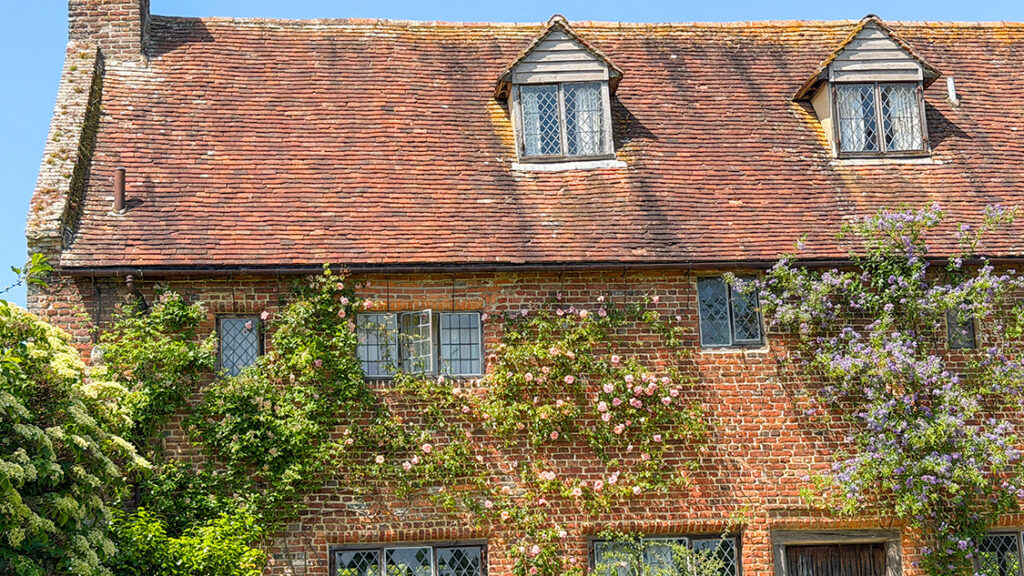
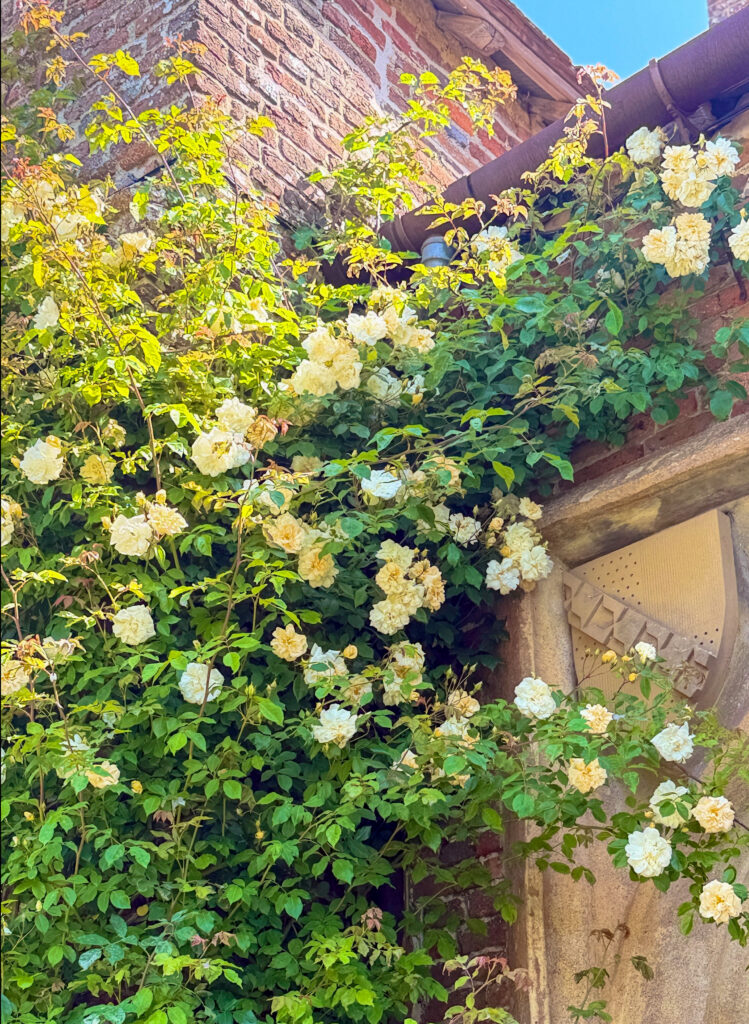
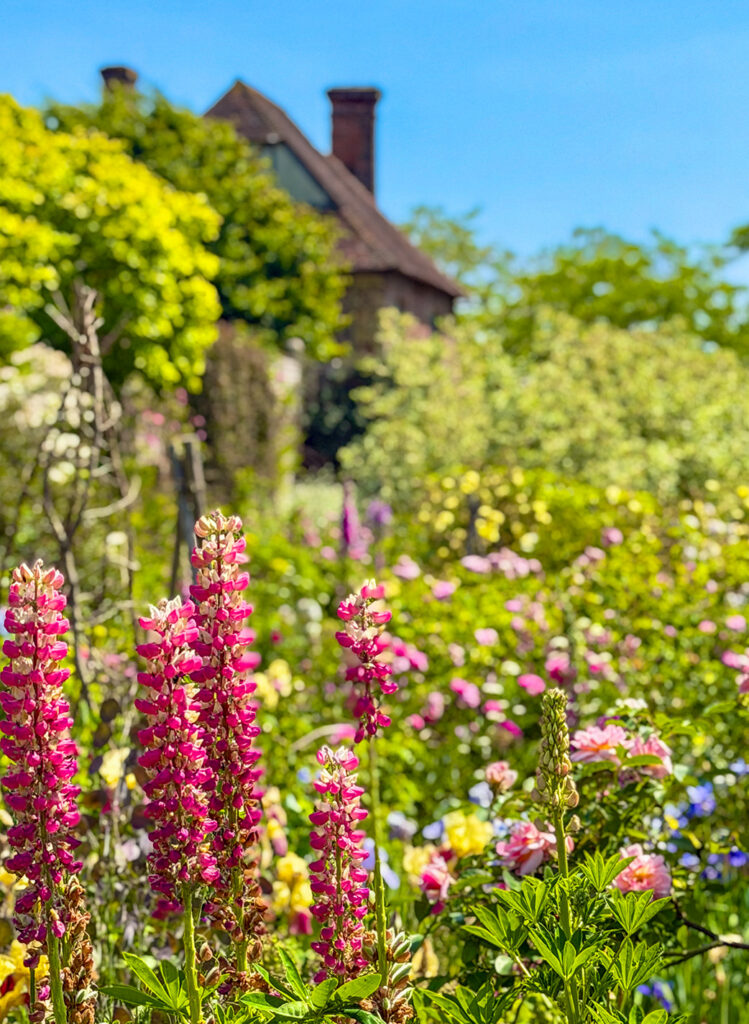
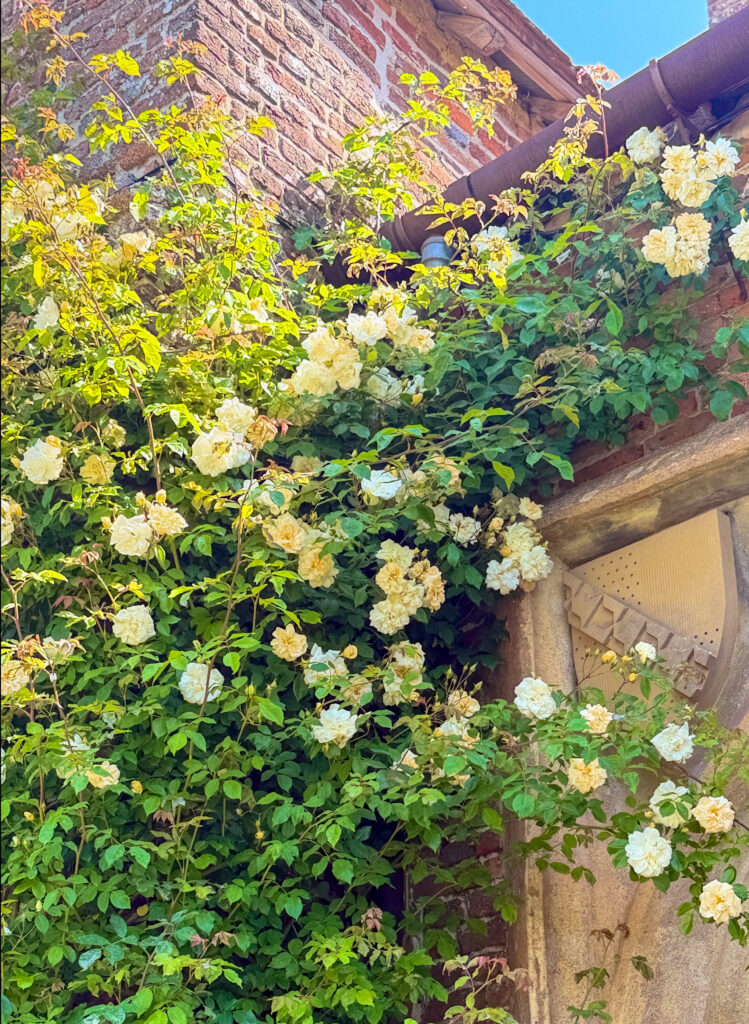
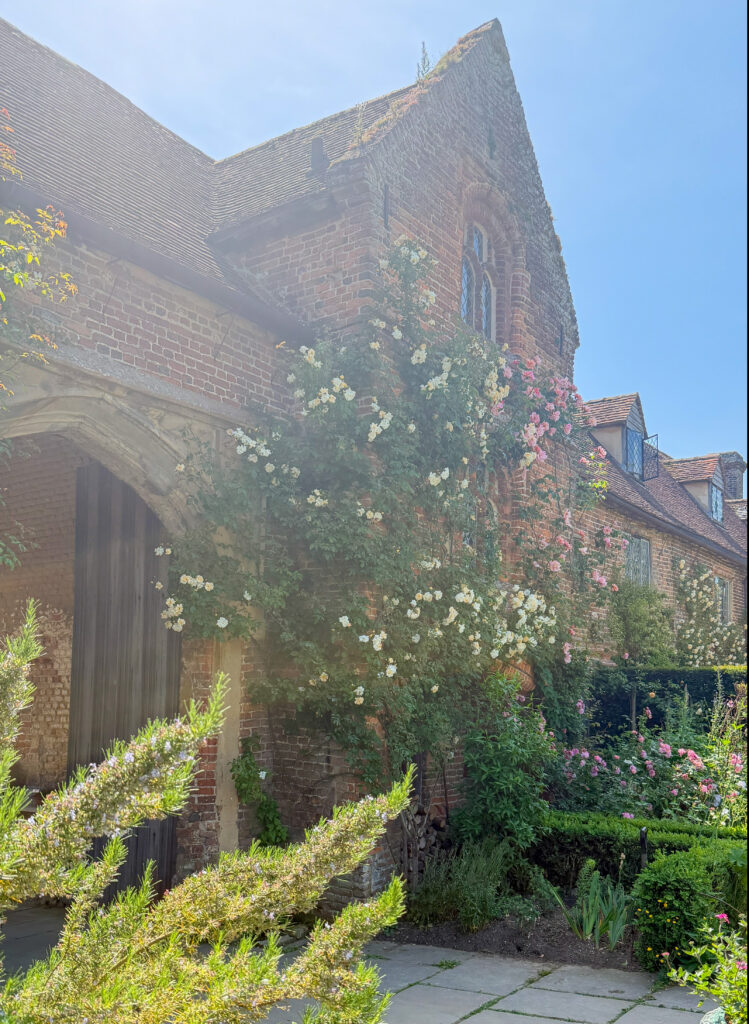
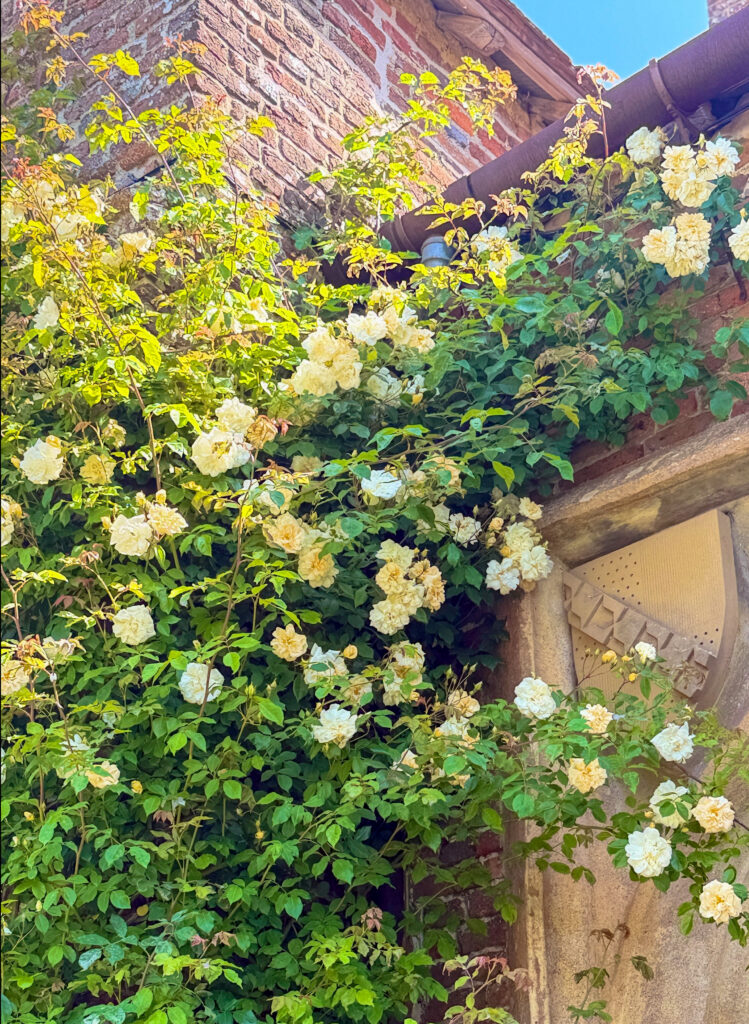
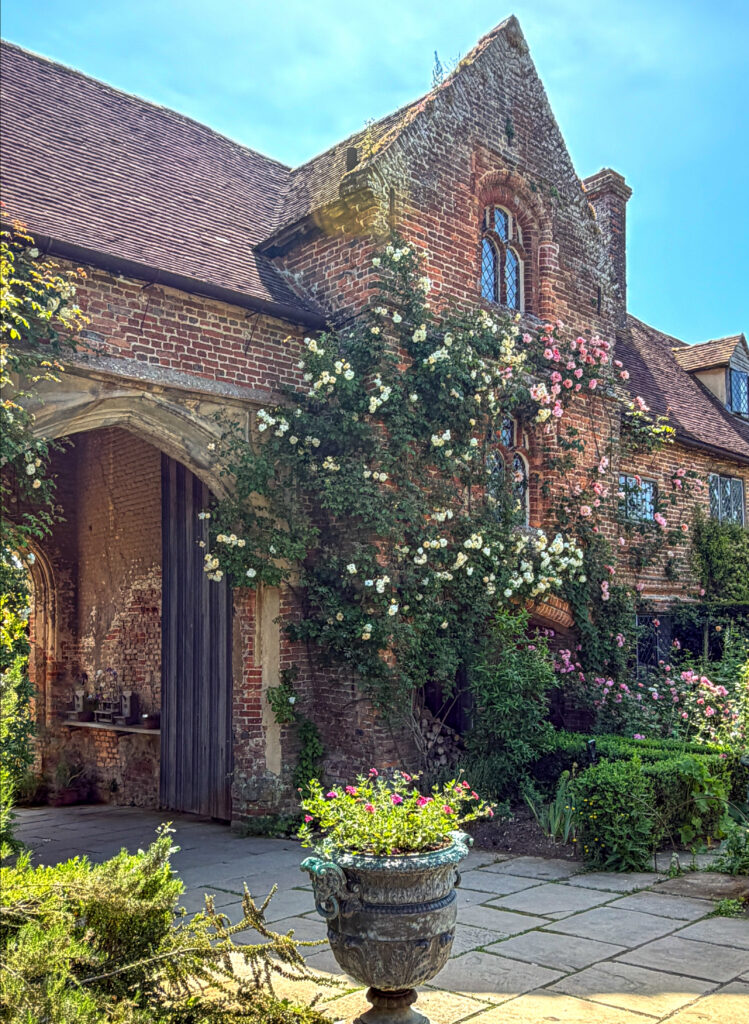
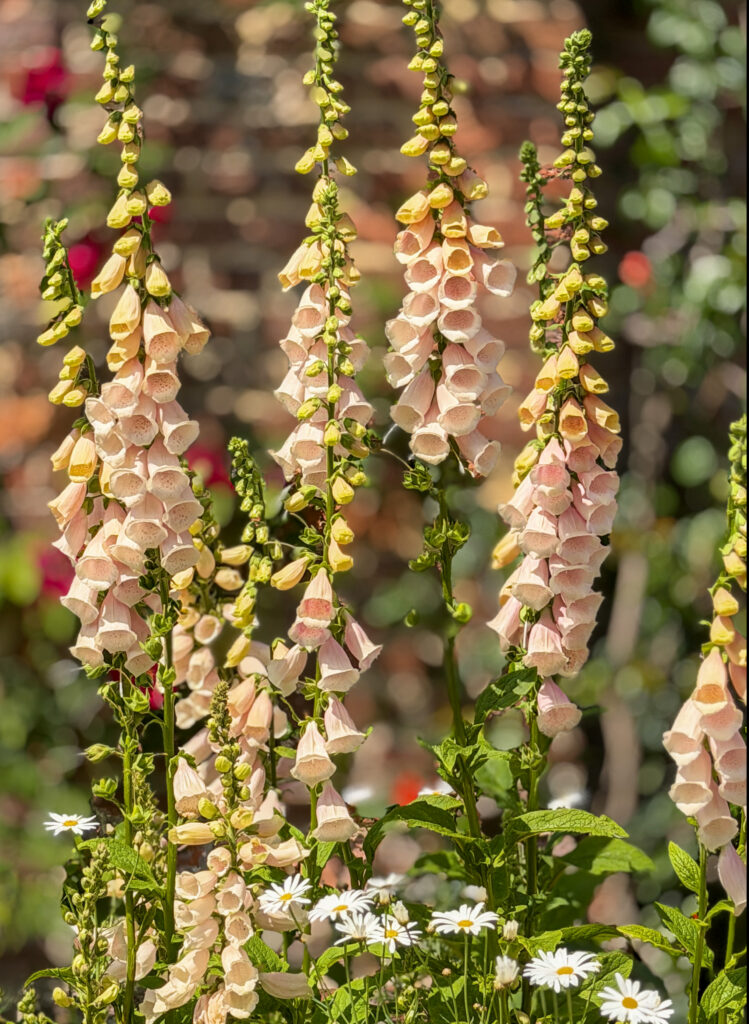
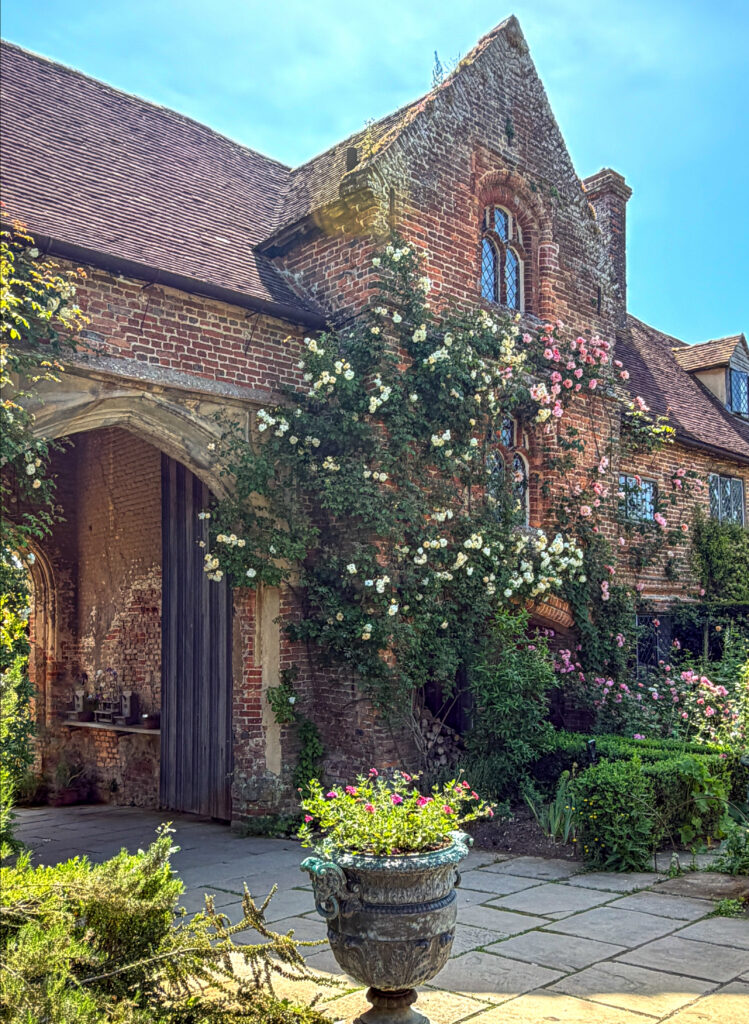
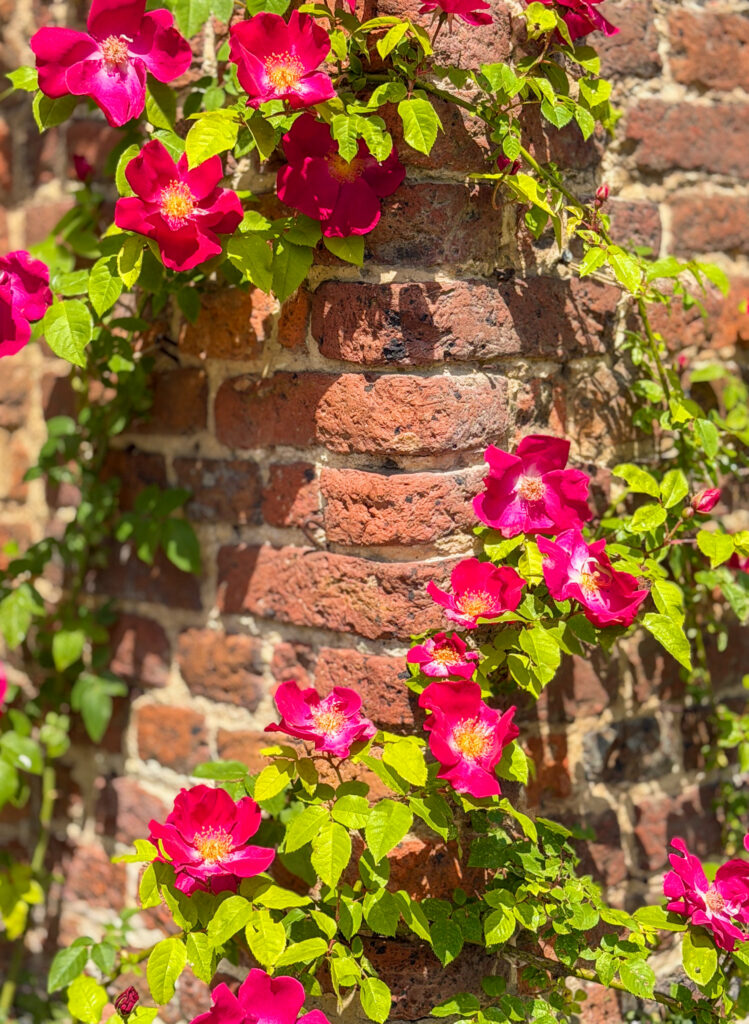
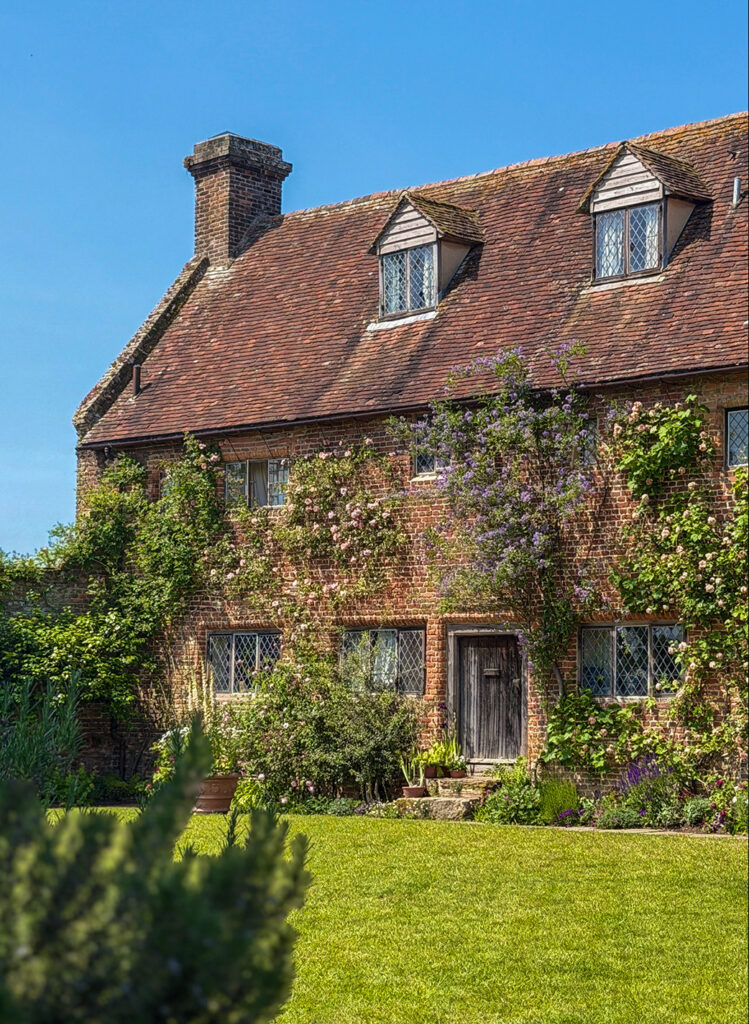
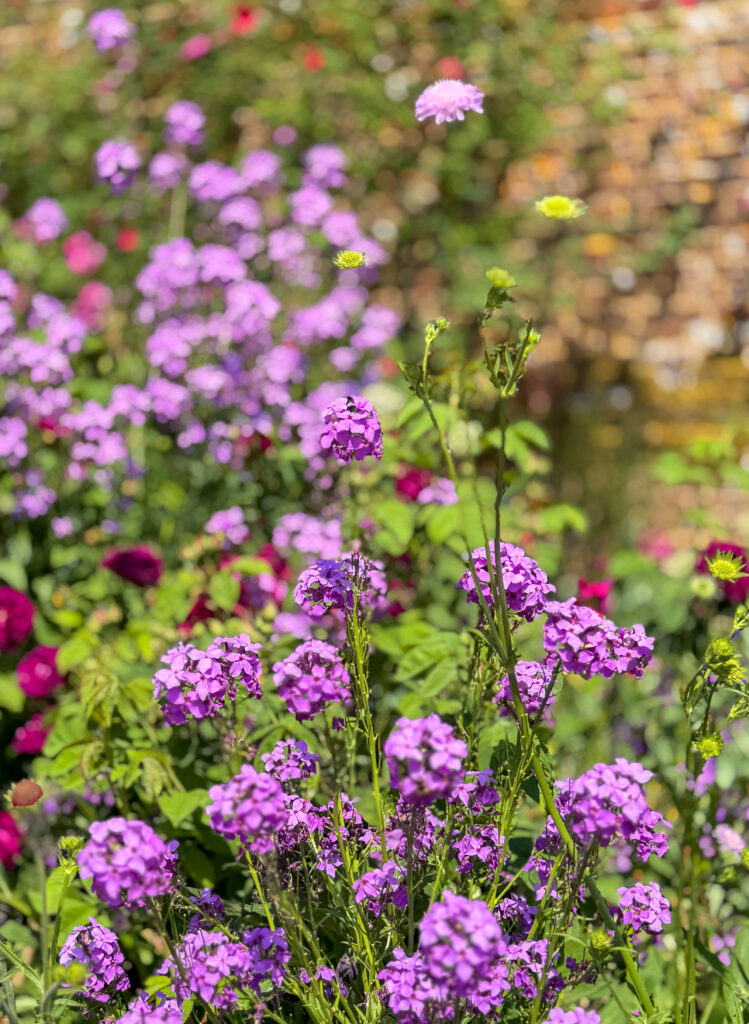
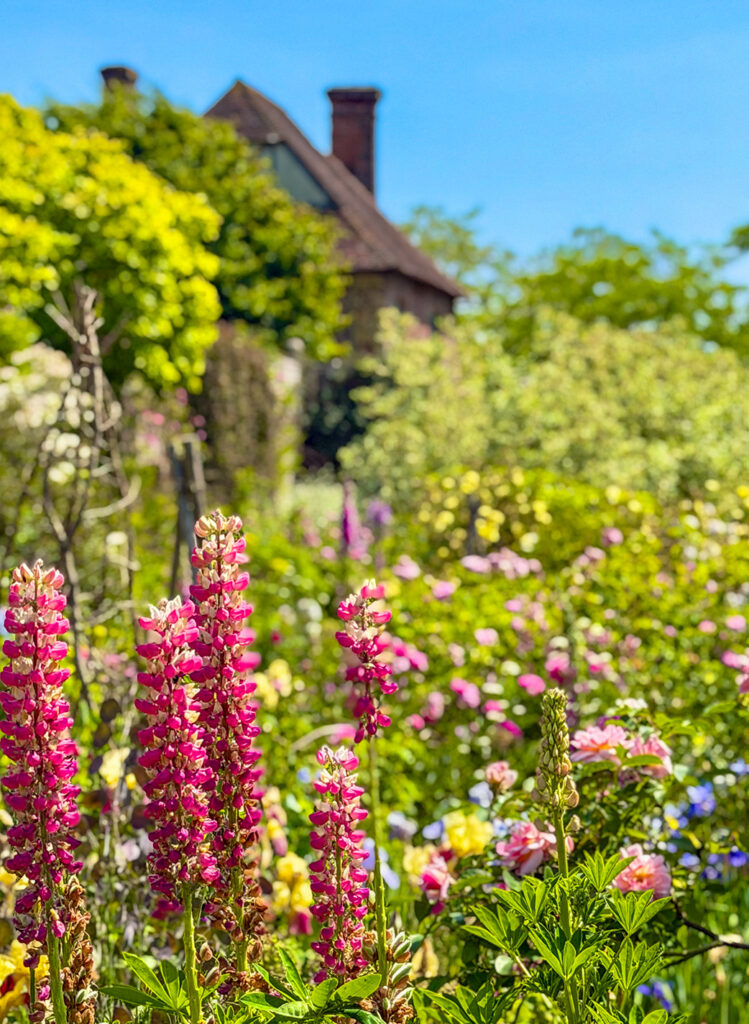
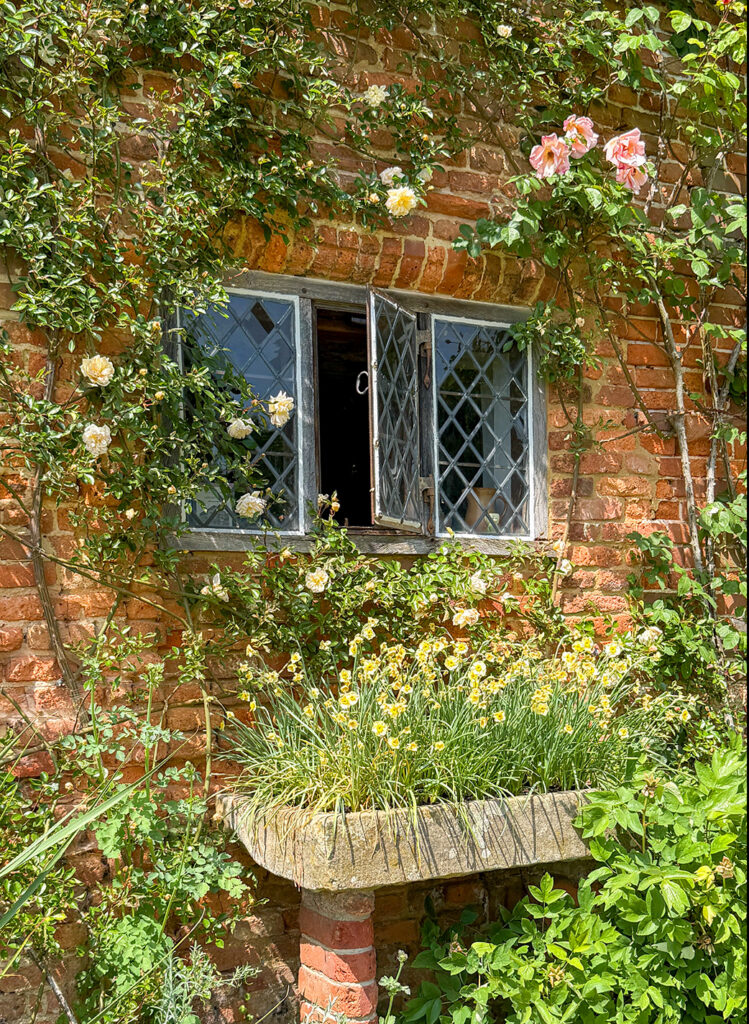
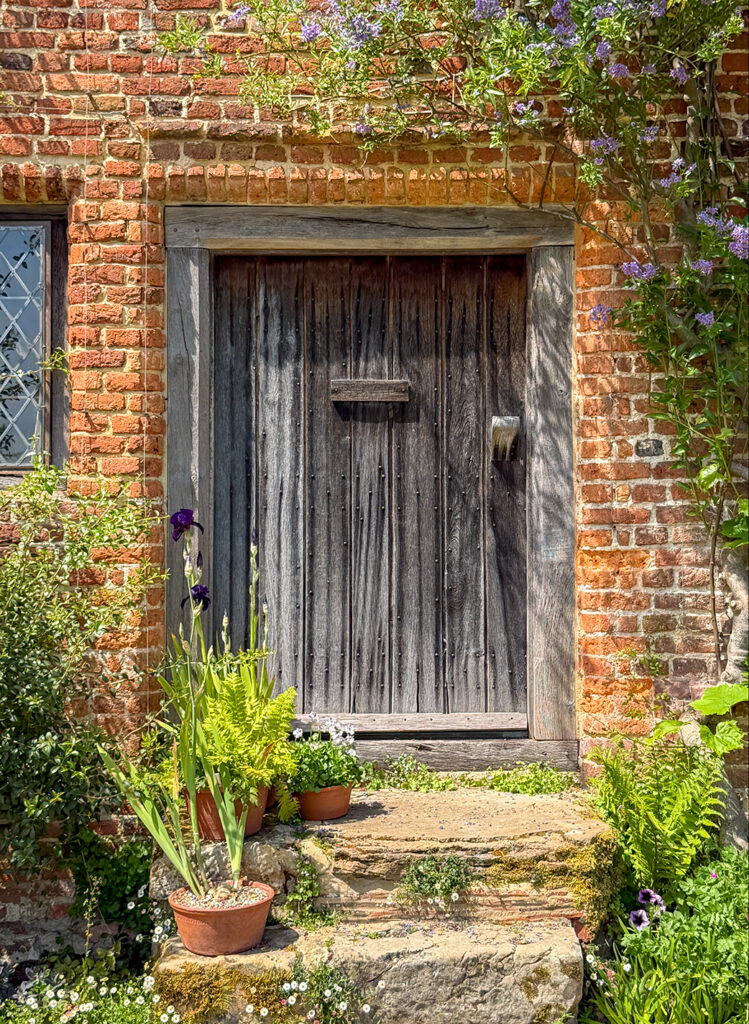
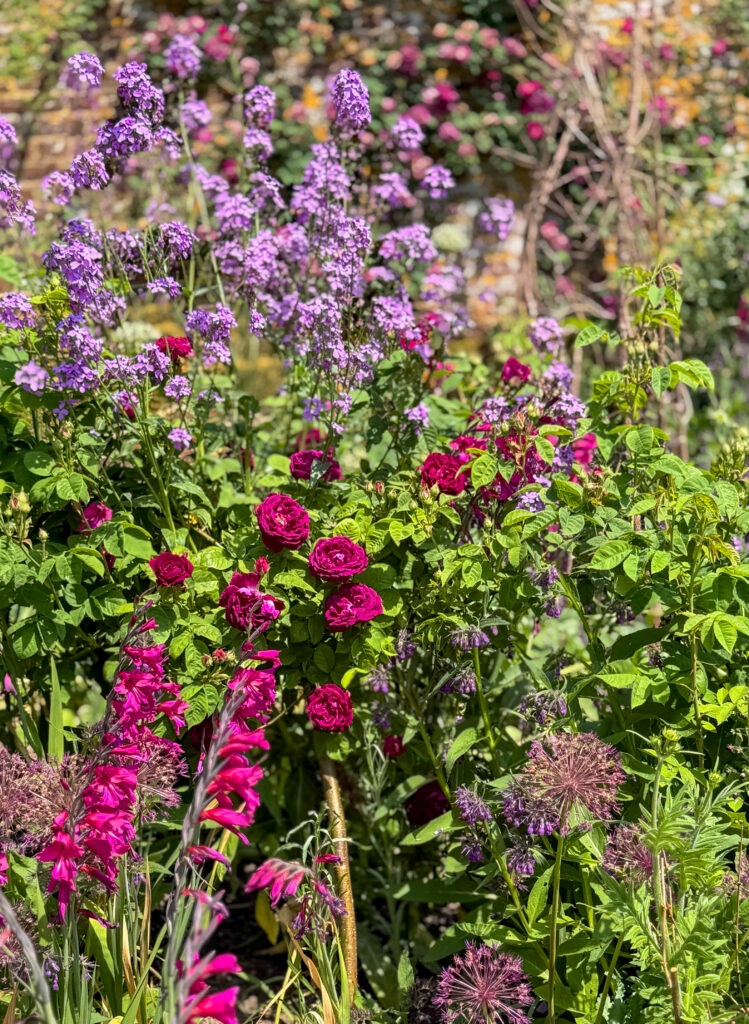
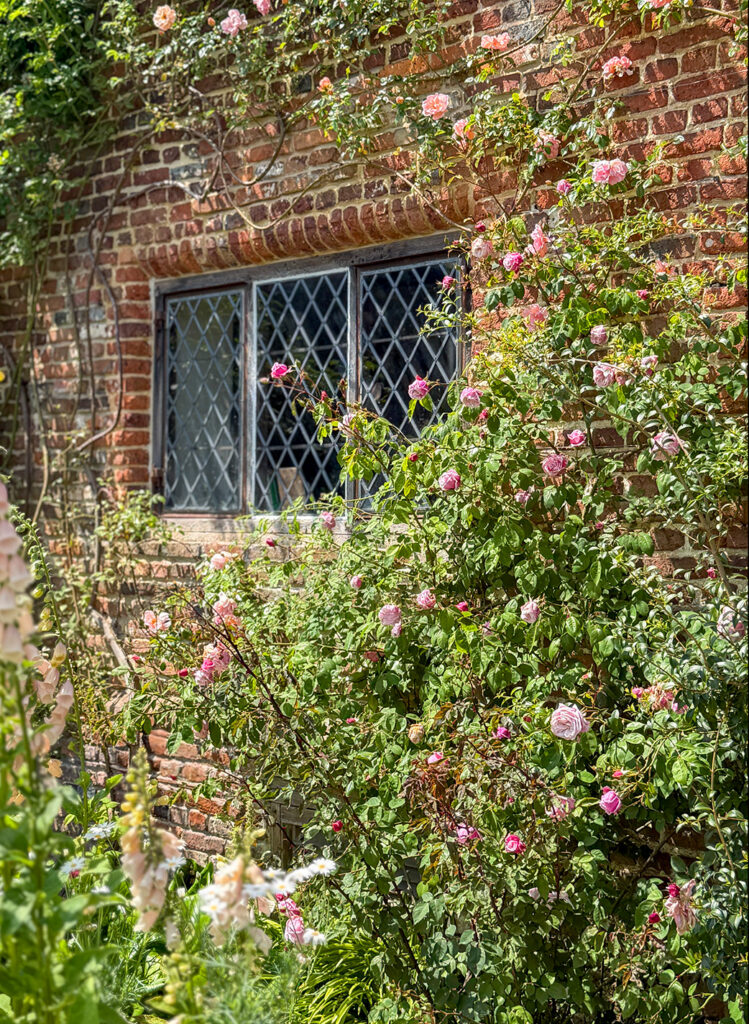
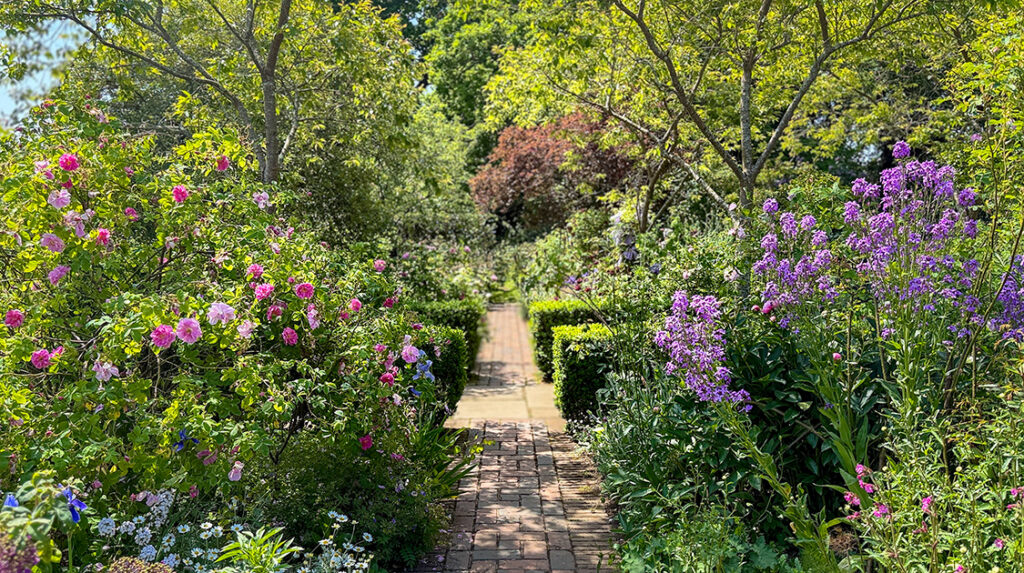
The gardens were overflowing with flowers in every direction. There were roses everywhere—rambling roses, climbing roses, shrub roses—many of them scrambling gracefully up the ancient brick buildings and softening the centuries-old architecture. It was impossible not to stop every few steps to admire and photograph another bloom.

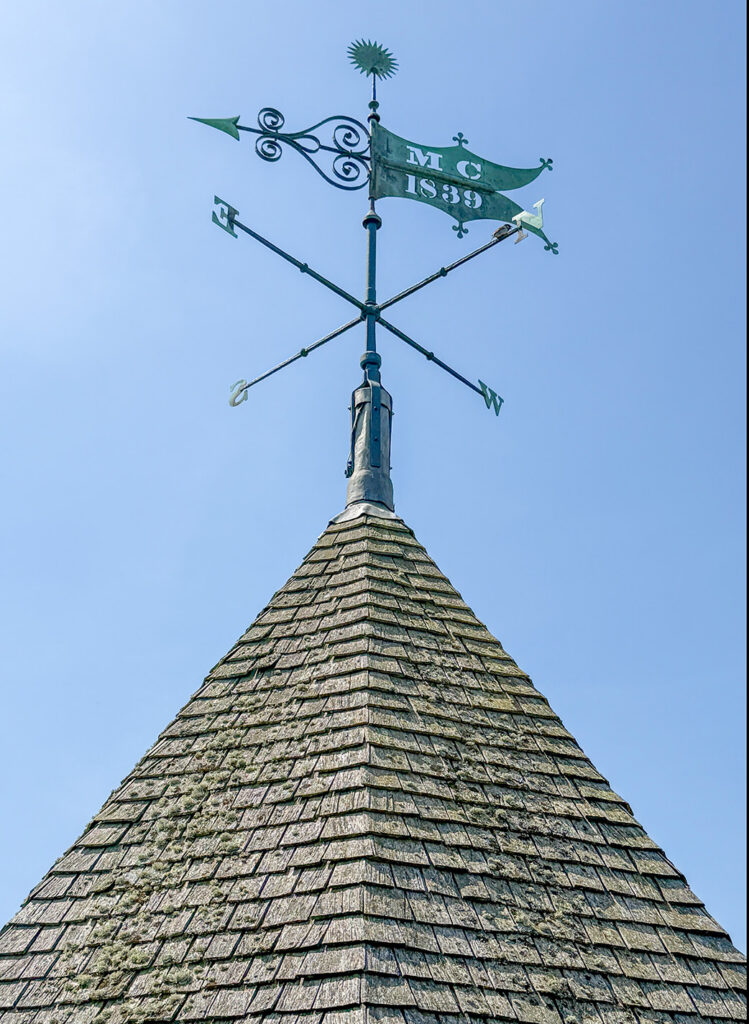
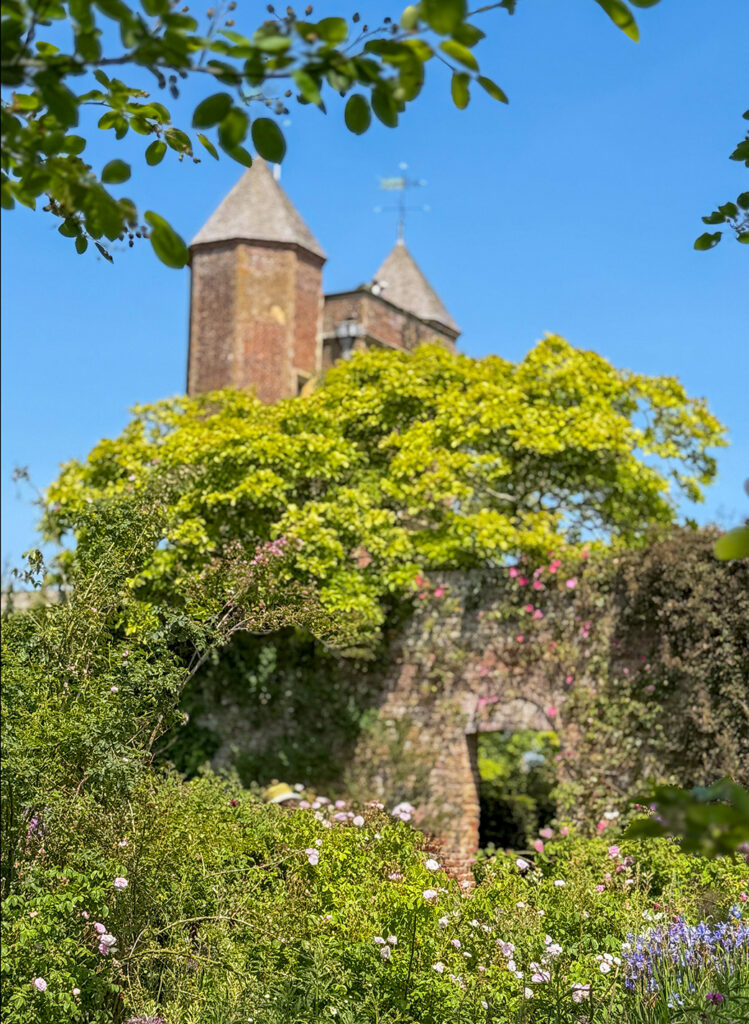
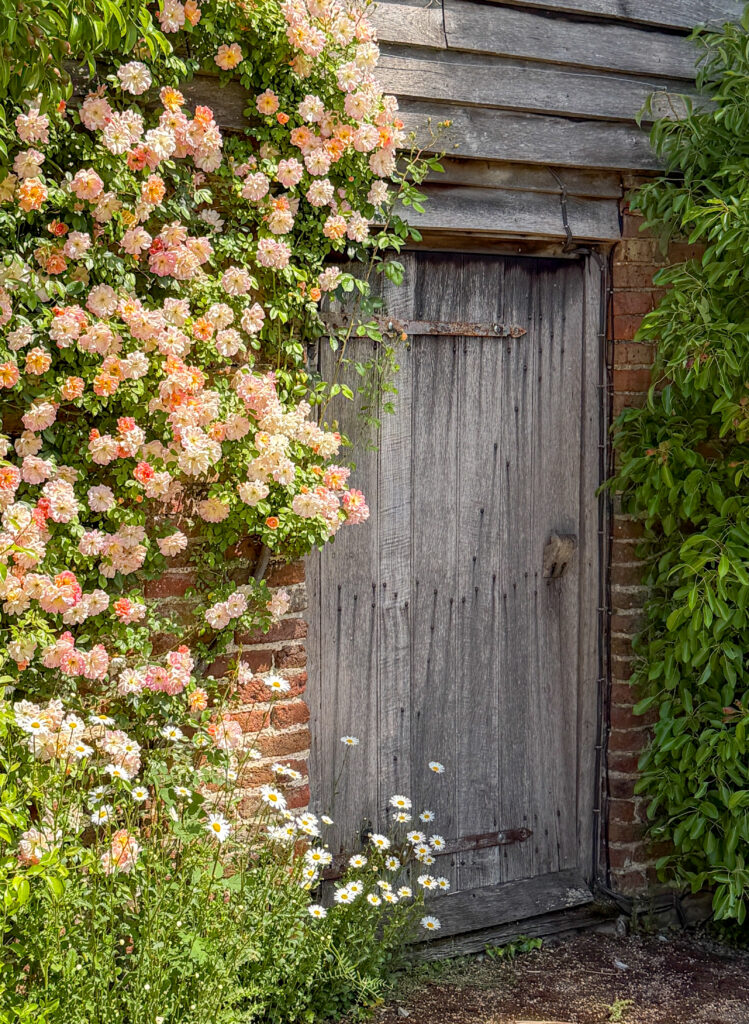

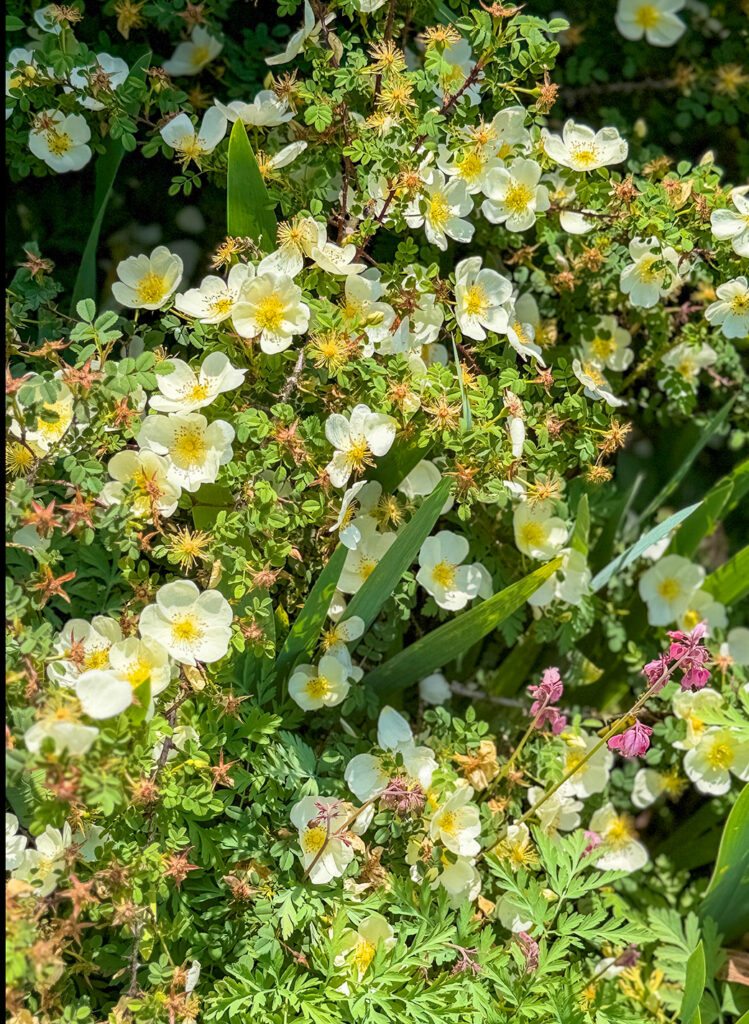
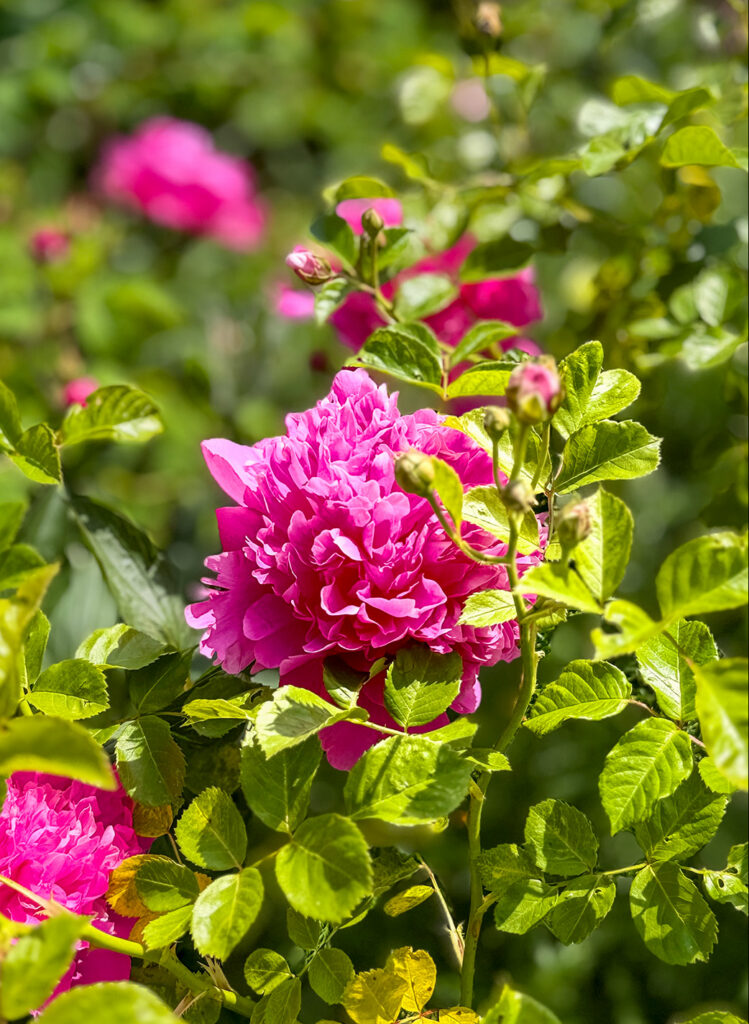
As someone whose favorite flowers are roses and peonies, I was completely entranced. Their enormous blossoms looked almost too perfect to be real, adding another layer of romance to a garden that already felt dreamlike.
Perhaps the most famous of all is the White Garden, planted almost entirely in shades of white, silver, and green. It remains one of the most celebrated garden designs ever created.

The History of Sissinghurst Castle
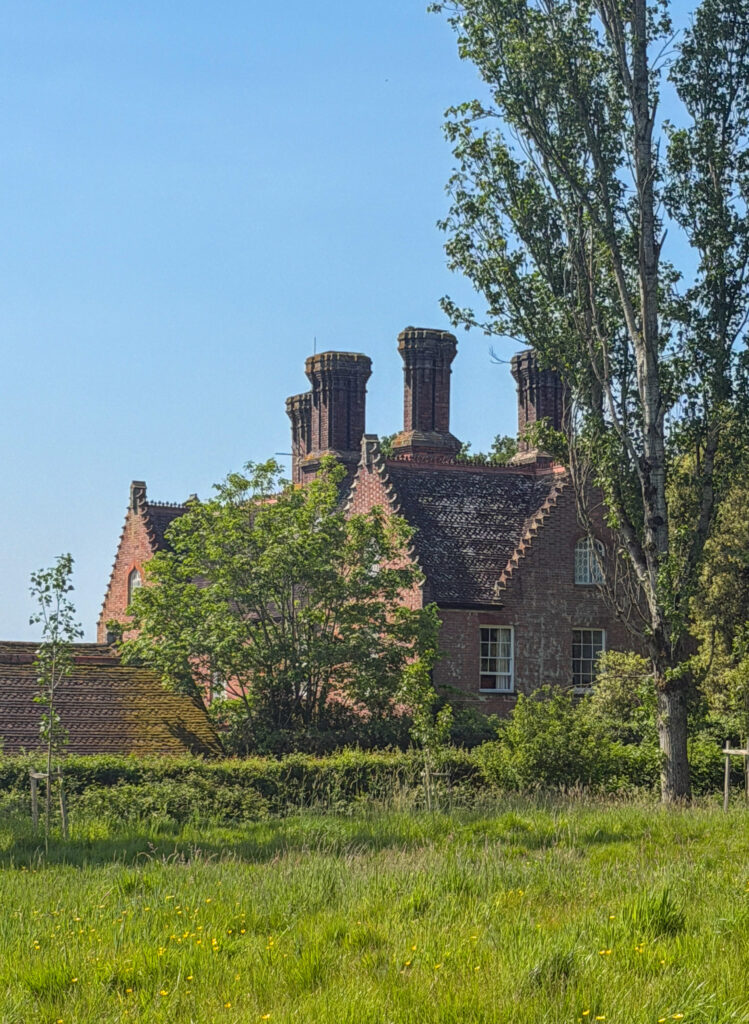
Sissinghurst has a fascinating history that stretches back hundreds of years. The site began as a medieval manor before becoming part of a grand Elizabethan estate in the 1500s. During the 18th century it served as a French prisoner-of-war camp during the Seven Years’ War, and much of the estate gradually fell into decline.
Everything changed in 1930 when writer Vita Sackville-West and diplomat Harold Nicolson purchased what was essentially a romantic ruin. Together they transformed it into one of the most influential gardens in the world.
Their partnership was unique, and so was their approach to gardening. Harold was known for designing the strong geometric structure—the walls, paths, and overall layout—while Vita filled those spaces with an exuberant, painterly style of planting. The result was a series of outdoor “rooms,” each with its own mood, color palette, and identity, an idea that has inspired garden designers ever since.
Vita’s influence extended far beyond Sissinghurst itself. She became one of Britain’s most beloved gardening writers, sharing her thoughts in a weekly gardening column for The Observer for more than fifteen years. Her writing was wonderfully practical, but it also reflected her romantic view of gardens as living works of art. Rather than striving for rigid perfection, she celebrated abundance, seasonal change, and the way plants could spill over walls, weave together, and create a sense of effortless beauty. It’s easy to see her influence on the garden today, the overflowing borders, climbing roses, and intimate garden rooms feel less like carefully controlled displays and more like nature gently guided by an artist’s hand.
Today, Sissinghurst is cared for by dedicated gardeners who continue the extraordinary work begun nearly a century ago.

Climbing the Tower
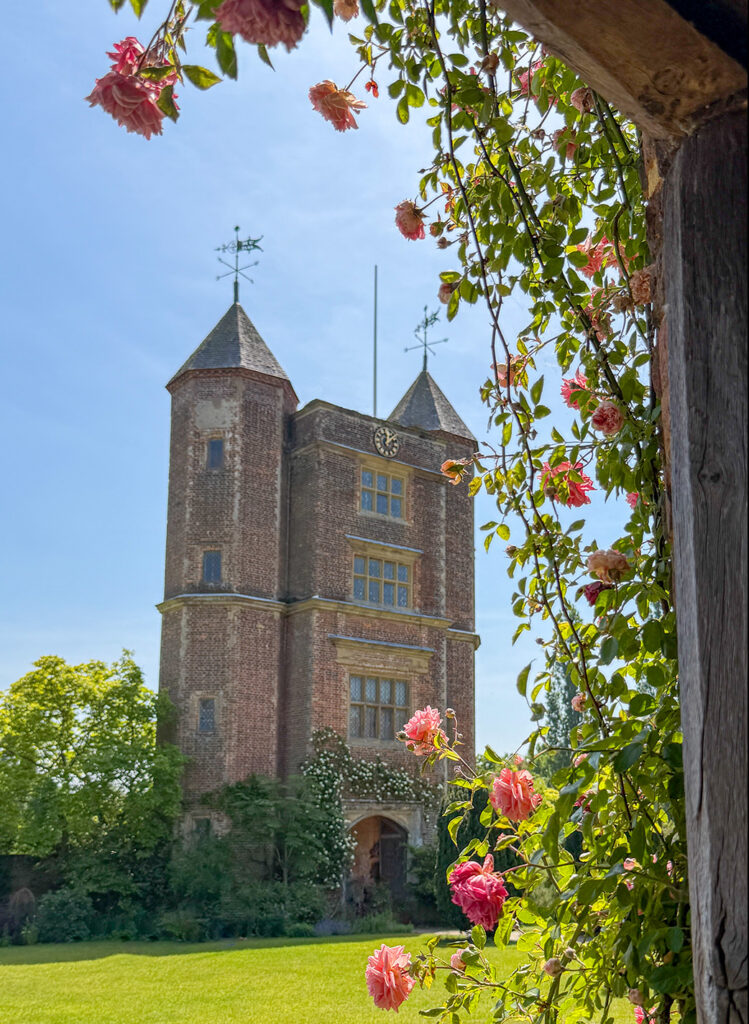
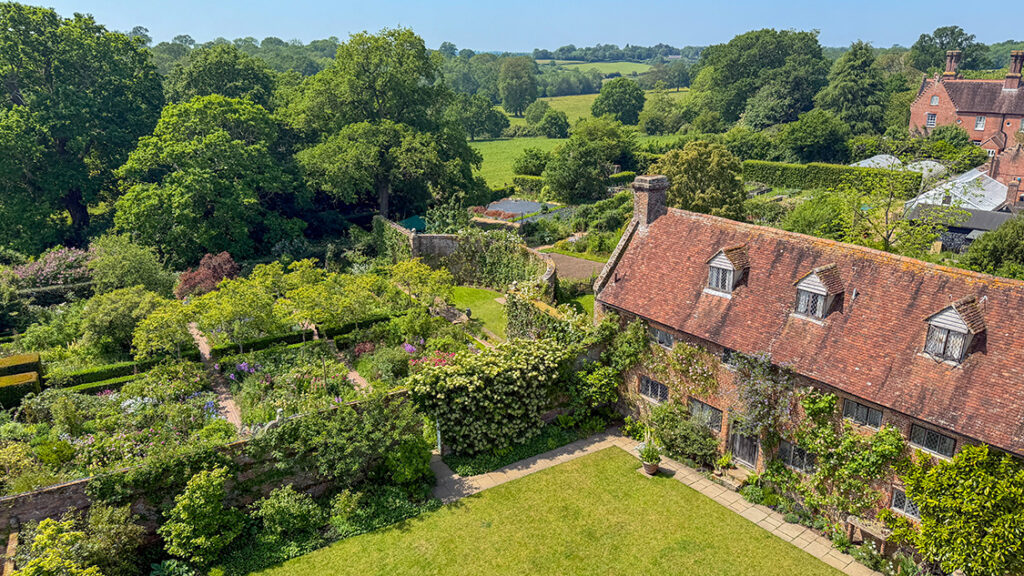
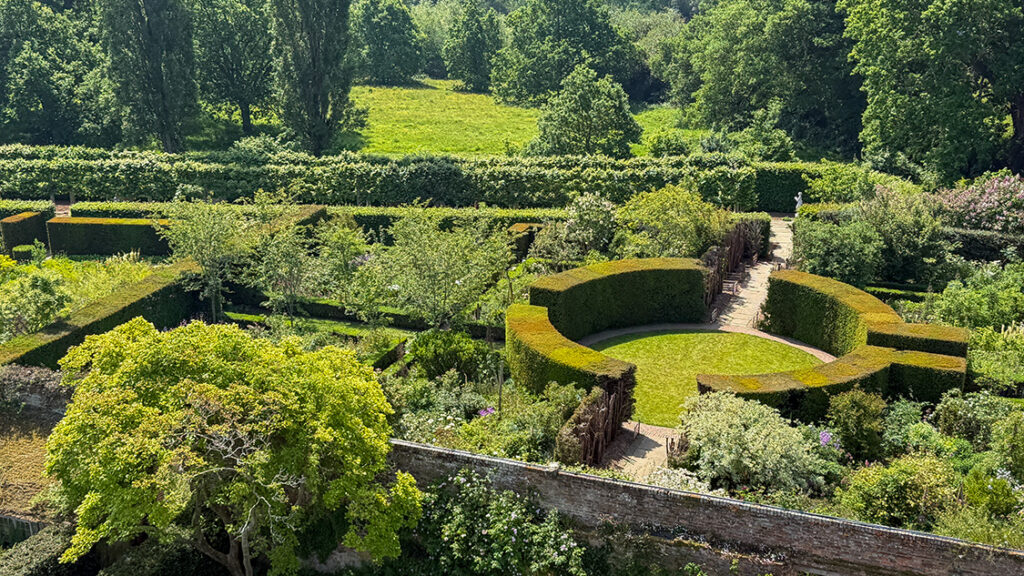
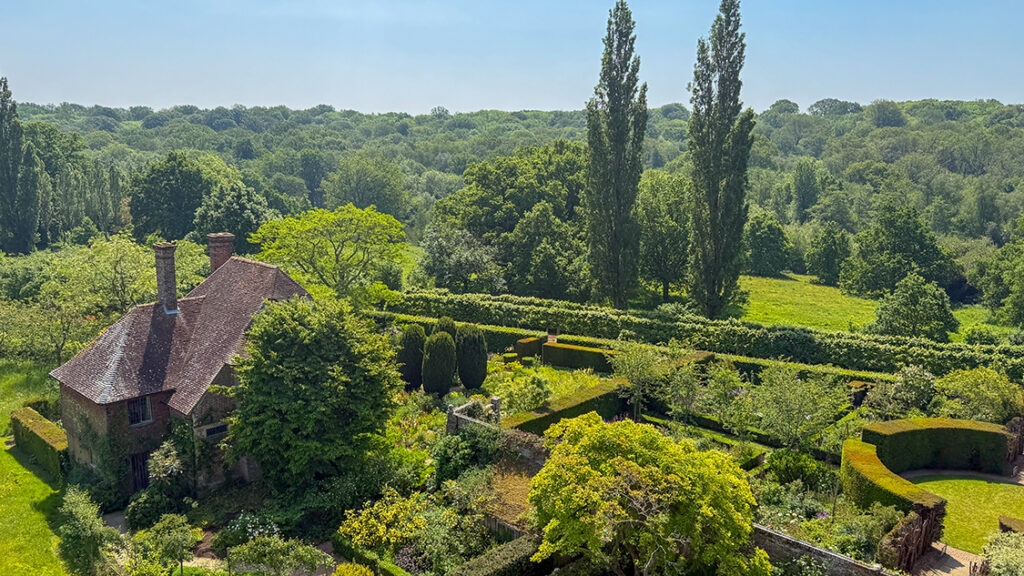
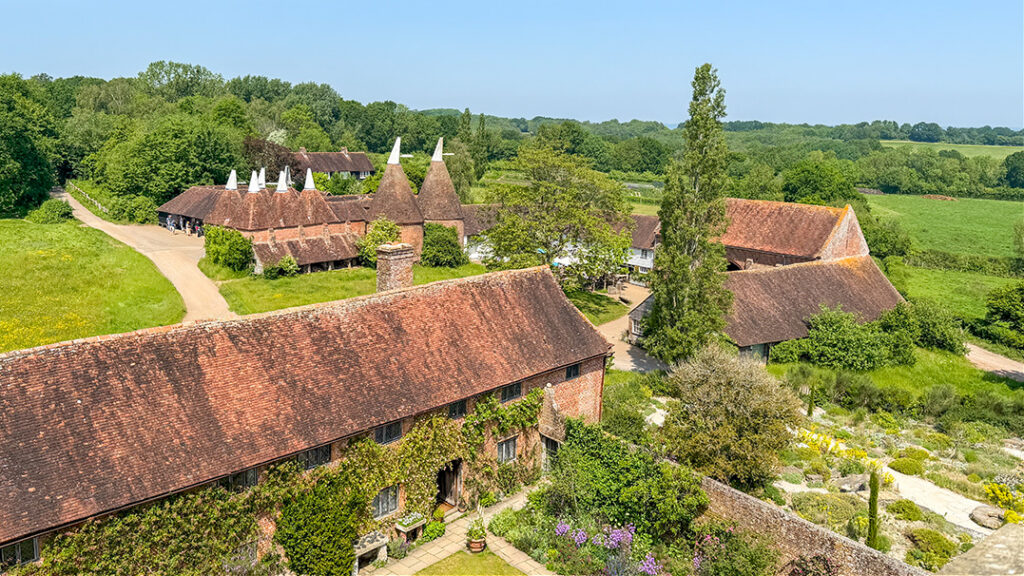
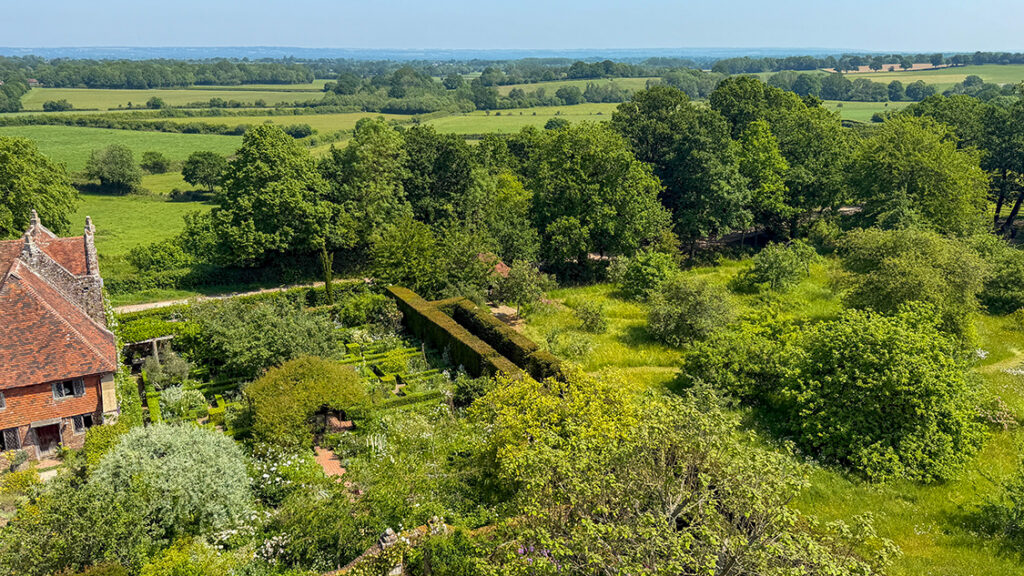
One of my favorite moments came when we climbed to the top of the iconic brick tower. From above, the true brilliance of Sissinghurst revealed itself. The individual garden rooms suddenly became part of one grand composition. You could see how thoughtfully every hedge, path, border, and vista had been designed, creating a masterpiece that simply can’t be appreciated from ground level alone.
Today, visitors can climb the brick tower for one of the best views of the gardens, but during Vita Sackville-West’s lifetime, it was a very different experience. The room at the top of the tower was her private writing retreat—a place where she could escape to work in complete solitude. It was considered her sanctuary, and even her husband respected it as her space. Few people were invited up there, allowing Vita the quiet she needed to write her novels, poetry, and the gardening columns that made her one of England’s most celebrated garden writers. Standing in that same room, looking out over the gardens she helped create, it was easy to imagine her finding inspiration in the view below.
The sweetest little moment happened while I was at the top of the tower. A white dove quietly flew in and perched on one of the beams.
A Literary Connection to Virginia Woolf
For book lovers, Sissinghurst offers another fascinating layer of history.
Vita Sackville-West shared a close friendship and love affair with Virginia Woolf, one of the most influential writers of the twentieth century. Their relationship inspired Virginia’s novel Orlando, often described as one of the greatest literary love letters ever written.
Virginia visited Sissinghurst while the gardens were taking shape and remained fascinated by Vita’s devotion to gardening.
Visiting Sissinghurst Castle Garden
Sissinghurst Castle Garden is tucked away in the Kent countryside, about an hour and a half from London, and it’s one of those places that’s worth planning an entire day around if you love gardens, historic homes, or simply beautiful places.
The gardens are managed by the National Trust, and while they’re beautiful throughout the growing season, I can’t imagine visiting at a better time than late May or June. The roses were beginning to put on an incredible show, climbing over centuries-old brick walls and spilling into the pathways, while the peonies were at their peak.
One of the things I loved most was that there wasn’t a set path that you had to follow. Instead, you simply wandered. Every opening in the hedges led to another garden room that felt completely different from the last. Some spaces were enclosed, while others opened into long views across the gardens. It reminded me of walking through a series of secret gardens, each waiting to be discovered.
I’d recommend giving yourself at least half a day here. Take your time walking through each garden room, stop to admire the roses climbing the old buildings, wander through the borders, visit the tower, browse the bookshop, and enjoy lunch or tea at the café.
One tip I would recommend is planning ahead if you’d like to have lunch at the Granary Restaurant. It is very popular during our visit, and there was quite a long wait around lunchtime. If you’re visiting during peak season—especially when the roses are in bloom—you will need to factor in extra time if you want to eat there. The food is made with seasonal ingredients, many of them grown right in Sissinghurst’s own vegetable garden, so it’s well worth making time for.